Landscaping in Central Ohio: A Complete Guide for New Albany Homeowners
Landscaping in Central Ohio requires thoughtful planning due to clay soil, freeze–thaw cycles, seasonal weather swings, and drainage challenges common throughout New Albany and the greater Columbus region. Successful landscapes combine proper soil preparation, climate-appropriate plant selection, drainage planning, and cohesive outdoor living design. This guide explains how local homeowners can create beautiful, durable landscapes built specifically for Ohio conditions.
Why Landscaping in Central Ohio Is Different
Landscaping in Central Ohio is not simply about planting flowers or installing mulch beds. The region’s unique environmental conditions significantly influence how landscapes perform over time.
Homeowners in New Albany, Ohio, and surrounding Columbus suburbs face several regional challenges:
- Heavy clay-based soils
- Freeze–thaw winter cycles
- Humid summers with intermittent drought stress
- Spring rainfall saturation
- Rapid seasonal temperature changes
Because of these factors, landscaping success depends on local knowledge and long-term planning, not just aesthetics.
What Makes Landscaping in Central Ohio Unique?
Climate Conditions Homeowners Must Plan For
Central Ohio sits within USDA Hardiness Zone 6a–6b, meaning landscapes must tolerate both winter freezes and summer heat.
Key climate considerations include:
- Winter temperatures regularly below freezing
- Summer humidity and heat stress
- Sudden seasonal transitions
- Ohio Climate Resources
- Snowmelt contributing to spring saturation
These environmental shifts affect plant survival, hardscape durability, and drainage performance.
Annual Rainfall and Seasonal Extremes
Central Ohio averages approximately 40 inches of annual rainfall, much of it concentrated in spring and early summer.
This leads to common homeowner concerns:
- Standing water in lawns
- Soil erosion
- Foundation moisture issues
- Turf damage
Proper grading and drainage planning are essential components of successful landscaping in New Albany neighborhoods.
Glacial Soil History
Much of Ohio’s soil was formed by glacial movement thousands of years ago. The result is dense, compacted soil containing fine particles that slow water infiltration.
This geological history explains why many Central Ohio yards experience:
- Poor drainage
- Compaction
- Limited root oxygen
- Plant stress despite adequate watering
Understanding Central Ohio Soil (Why Landscaping Often Fails)
Clay Soil Challenges in New Albany
Clay soil dominates much of Franklin County and surrounding areas. While nutrient-rich, clay soil presents structural challenges:
- Water drains slowly
- Soil compacts easily
- Roots struggle to expand
- Surface runoff increases erosion risk
- Local soil or conservation sources
Without proper soil preparation, even high-quality landscaping installations can fail prematurely.
Soil pH and Plant Performance
Most landscape plants perform best in slightly acidic soil with a pH between 6.0 and 6.5. Central Ohio soil conditions often require amendment to achieve optimal growing environments.
Professional landscaping strategies may include:
- Organic compost integration
- Soil conditioning
- Aeration and decompaction
- Targeted planting bed preparation
Professional Soil Improvement Strategies
Effective long-term solutions include:
- Incorporating organic matter to improve structure
- Creating raised planting beds
- Installing drainage layers where needed
- Selecting plants adapted to heavier soils
These steps improve both plant health and long-term maintenance outcomes.
Best Plants for Landscaping in Central Ohio
Choosing plants adapted to local conditions is one of the most important decisions homeowners can make.
Native Plants That Thrive Locally
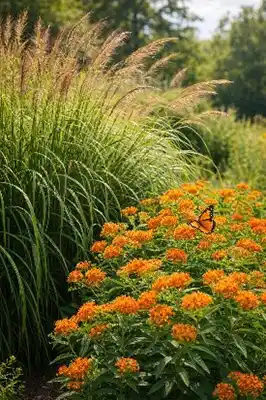
Native species are naturally adapted to Ohio’s climate and soil conditions.
Popular options include:
- Purple Coneflower (Echinacea)
- Black-Eyed Susan
- Butterfly Milkweed
- Switchgrass and native ornamental grasses
Benefits of native plants:
- Improved drought tolerance
- Lower maintenance requirements
- Pollinator support
- Greater seasonal resilience

Reliable Shrubs and Trees for New Albany Landscapes
Well-performing landscape staples include:
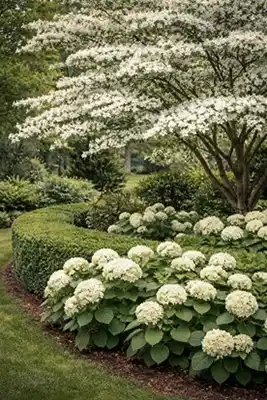
- Hydrangea varieties
- Serviceberry trees
- Eastern Redbud
- Flowering Dogwood
- Boxwood for structured plantings
These species provide reliable performance across Central Ohio’s seasonal extremes.
Plants for Wet or Poorly Drained Areas
For properties experiencing moisture issues, consider:
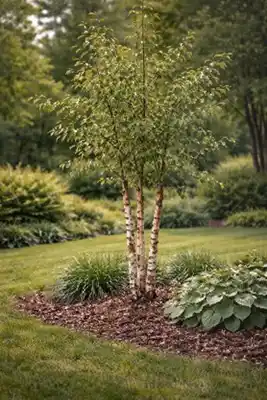
- River Birch
- Red Twig Dogwood
- Inkberry Holly
- Rain garden perennials
Strategic plant selection can transform drainage challenges into attractive landscape features.
Landscaping Design Trends in New Albany, Ohio
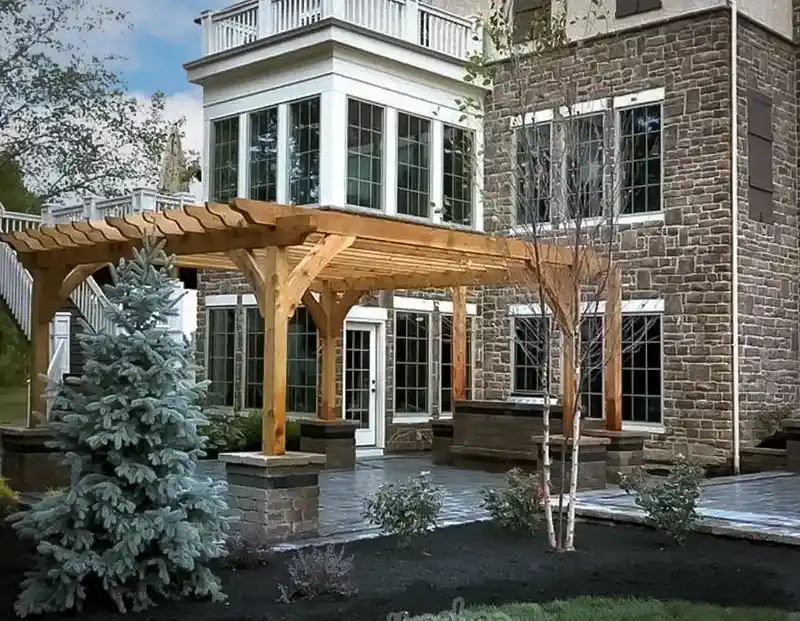
Modern landscaping in Central Ohio increasingly focuses on outdoor living and functional design.
Popular features include:
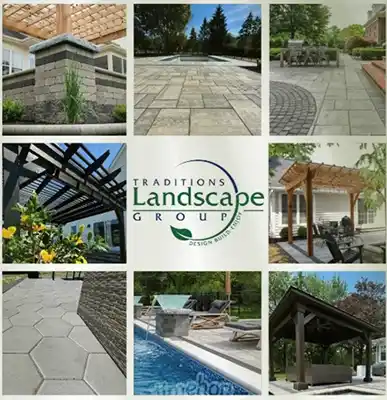
- Custom paver patios
- Pergolas and pavilions
- Outdoor kitchens and grill islands
- Fire pits and fireplaces
- Layered planting beds
- Landscape lighting systems
Homeowners are prioritizing spaces that extend usable living areas outdoors while maintaining cohesive architectural style.
Drainage Planning: The Most Overlooked Part of Landscaping
Drainage is often the hidden factor determining landscape success or failure.
Why Drainage Matters in Clay Soil
Clay soil absorbs water slowly, causing runoff and pooling. Without drainage planning, landscaping investments can deteriorate quickly.
Common symptoms include:
- Persistent soggy areas
- Lawn die-off
- Mulch washout
- Erosion near foundations
Signs Your Yard Needs Drainage Solutions
- Standing water after rainfall
- Downspout overflow areas
- Basement moisture concerns
- Muddy lawn sections
- Sloped erosion zones
Effective Drainage Solutions
Professional solutions may include:
- Property grading adjustments
- French drain systems
- Dry creek beds
- Catch basins
- Rain gardens
- Downspout extensions
Integrating drainage early prevents costly repairs later.
When Is the Best Time to Landscape in Central Ohio?
Spring
Ideal for planting and initial landscape installations.
Summer
Best for patios, structures, and outdoor living construction.
Fall (Optimal Planting Season)
Cool temperatures allow root establishment before winter dormancy.
Winter
The ideal season for design planning and project scheduling.
DIY Landscaping vs Hiring a Local Design-Build Company
While DIY landscaping can work for smaller projects, Central Ohio conditions often require professional expertise.
Benefits of hiring a local design-build team include:
- Soil and drainage knowledge
- Freeze–thaw construction experience
- Material selection suited for Ohio climate
- Unified design and installation process
- Long-term durability planning
Professional planning reduces costly rework and improves project longevity.
How to Start a Landscaping Project in New Albany
A successful project typically follows these steps:
- Define goals and lifestyle needs
- Evaluate drainage and grading
- Test and prepare soil conditions
- Develop a master landscape plan
- Phase construction strategically
Planning holistically ensures cohesive results over time.
Landscaping Mistakes Central Ohio Homeowners Should Avoid
Common issues include:
- Ignoring drainage conditions
- Choosing plants unsuited for Ohio winters
- Overcrowding planting beds
- Skipping soil preparation
- Installing patios without proper base construction
Avoiding these mistakes significantly increases landscape lifespan.
Why Local Experience Matters in Central Ohio Landscaping
Local expertise provides advantages such as:
- Familiarity with New Albany neighborhood standards
- Understanding HOA expectations
- Knowledge of regional soil behavior
- Seasonal timing expertise
- Proven plant performance experience
Landscapes designed specifically for Ohio conditions require regional understanding.
Frequently Asked Questions About Landscaping in Central Ohio
What plants grow best in Central Ohio?
Native perennials, hydrangeas, ornamental grasses, and hardy flowering trees perform well in Zone 6 conditions.
Is clay soil bad for landscaping?
Not inherently — but it requires proper preparation and drainage planning.
When should landscaping begin in Ohio?
Spring and fall are typically ideal for planting, while winter is best for planning.
How much does landscaping cost in New Albany?
Costs vary based on scope, materials, and design complexity. Professional planning helps establish realistic budgets.
Do I need drainage solutions before landscaping?
In many Central Ohio properties, yes. Addressing drainage first protects long-term investment.
Creating a Landscape Built for Ohio Living
Landscaping in Central Ohio succeeds when beauty and performance work together. By understanding local soil conditions, selecting climate-appropriate plants, and planning drainage from the start, homeowners can create outdoor spaces that remain functional and attractive for years.
Thoughtful planning transforms a yard into a durable extension of the home — designed not just for appearance, but for lasting enjoyment in every Ohio season.